
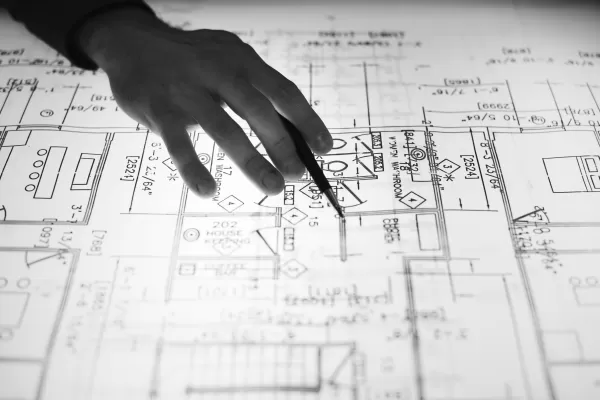
Designing custom electrical control panels is a structured process that requires technical expertise, a rigorous methodology, and a deep understanding of each client’s specific operational requirements. It is not simply a matter of assembling components, but a comprehensive engineering process that transforms operational needs into safe, efficient, and fully functional solutions.
At HS Automation, every project begins with a careful assessment of the client’s requirements and develops through clearly defined phases that ensure quality, regulatory compliance, and optimal performance. With over 20 years of experience in electrical panel design for aluminum extrusion, die casting, and other complex industrial processes, we understand that every detail matters — from component selection and wiring layout to enclosure design and thermal management systems.
Whether designing low-voltage electrical panels for production lines or advanced automation systems for critical industrial plants, our engineering approach combines precision and system-level vision. The result is a high-performance control panel built with premium components, certified to meet industry standards, and engineered to ensure long-term reliability and durability.
Requirements analysis and technical specifications definition
The starting point of every successful project is a thorough understanding of the client’s operational requirements. This preliminary phase is critical, as it defines all the technical parameters that will guide the entire electrical control panel design process.
During this stage, our engineering team collects and analyzes a range of essential information.
Basic Electrical Requirements
- System power requirements
- Supply voltage and rated current
- Power supply type (single-phase, three-phase, or DC)
- Presence of special loads or peak power demands
Environmental Conditions
Operating conditions play a decisive role in design choices. Ambient temperature, humidity levels, the presence of dust or chemical agents, and potential exposure to vibration or harsh weather conditions must all be carefully evaluated. These factors directly influence not only the selection of the electrical enclosure, but also the required protection ratings (such as NEMA or IP ratings) and the thermal management solutions implemented within the panel.
Equipment to Be Controlled and Protected
Every custom electrical control panel must be designed around the machinery and processes it will manage. For example, in aluminum extrusion plants or die casting lines, it is essential to consider specific operational dynamics, production cycles, and automation requirements to ensure safe operation, process stability, and seamless integration with PLC and industrial automation systems.
Standards and Certifications
From the earliest design phase, we identify all applicable standards and requirements (IEC, UL, NEMA) to ensure full compliance. This is particularly critical for low-voltage electrical panels intended for international markets, where certification and safety standards are mandatory for installation and operation.
Component selection and electrical schematic design
Once the technical specifications have been defined, the next step is the careful selection of the components that will form the core of the electrical control panel. This phase requires solid engineering experience and in-depth knowledge of the devices available on the market, balancing performance, reliability, and cost-effectiveness.
Main Components to Be Selected
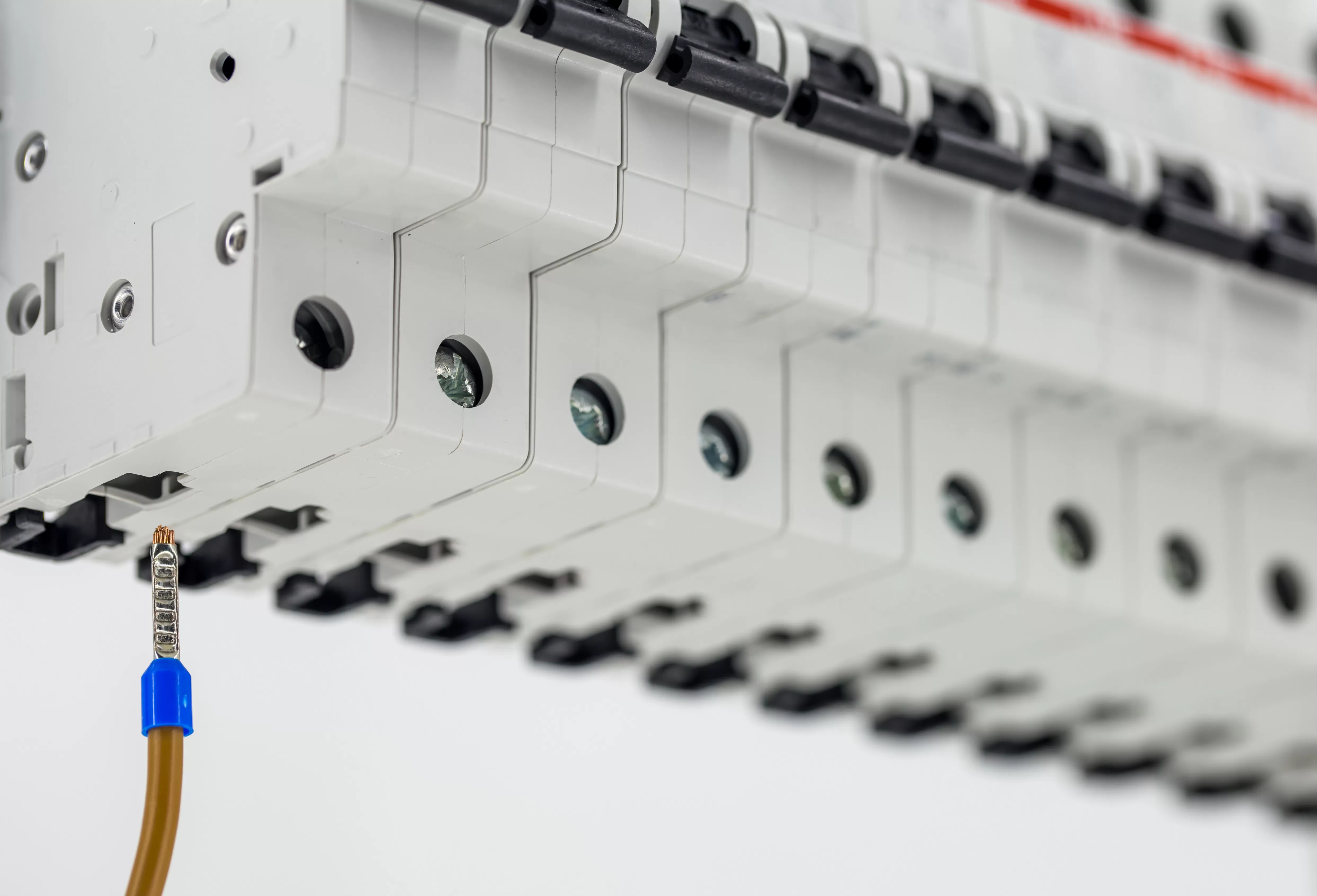
Protection devices represent the first line of defense: circuit breakers, residual current devices (RCDs), fuses, and thermal overload relays must be precisely sized to ensure safety and operational continuity. Incorrect selection of these components can compromise the entire system.
Command and control devices include contactors, motor starters, push-button stations, and, in more advanced custom electrical control panels, PLCs and SCADA systems for automated process management. At HS Automation, we develop integrated automation software solutions that seamlessly interface with the hardware components.
Electrical Schematic Design
- Single-line diagram for power distribution
- Control circuit diagram for command circuits
- Power circuit diagram for supply lines
- Complete legend with unique identification of each component
Particular attention is given to conductor sizing, calculated according to rated current, cable length, and installation method, ensuring appropriate safety margins while minimizing voltage drop.
The electrical schematic design phase also includes the definition of electrical panel ventilation and thermal management systems, which are essential for proper heat dissipation and for preventing overheating that could reduce the operational lifespan of the system.
Layout, enclosure design, and wiring engineering
Panel layout design and enclosure selection
The physical arrangement of components inside an electrical control panel is never random; it follows precise criteria focused on efficiency, safety, and maintainability. The layout must optimize available space, simplify installation, and ensure easy access for maintenance and troubleshooting activities.
Layout design criteria
Component organization is based on several key factors, including minimum clearance distances between live parts, thermal dissipation requirements of each device, maintenance ergonomics, and the overall functional logic of the system. Heat-generating components are strategically positioned to promote proper airflow, while frequently used control devices are placed for easy accessibility. A well-designed panel layout improves operational safety, reduces downtime, and enhances long-term reliability.
Electrical enclosure selection
The enclosure (cabinet) protects internal components from environmental and mechanical stress and must be selected according to the specific operating conditions. Electrical control panel enclosures may be manufactured from carbon steel, stainless steel, or non-metallic materials, with different protection ratings (IP or NEMA) depending on the installation environment.
For demanding industrial applications such as aluminum extrusion or die casting processes, we select heavy-duty enclosures designed to provide high protection against dust, moisture, and mechanical stress. Cabinet dimensions are calculated not only based on component footprint but also considering future expansion, adequate wiring space, and proper panel ventilation to ensure effective thermal management.
Wiring system design
Internal wiring represents the nervous system of the electrical control panel. Proper wiring design includes:
- Conductor sizing in compliance with applicable standards
- Cable routing strategies to minimize electromagnetic interference (EMI)
- Clear and systematic labeling of each connection
- Use of wire ducts, cable trays, and fastening systems to ensure a clean, organized, and professional installation

Regulatory compliance, documentation, and testing
Before physical assembly begins, every project undergoes a rigorous compliance verification process to ensure adherence to applicable standards. We verify that all calculations — from thermal protection sizing and conductor dimensioning to short-circuit current ratings and circuit breaker coordination — comply with IEC standards and, where required, UL certifications for the North American market (such as UL 508A for industrial control panels). The technical documentation accompanying each project includes:
- Complete electrical schematics (single-line, control, and power diagrams)
- Mechanical enclosure drawings with dimensions
- Comprehensive Bill of Materials (BOM)
- Calculation and sizing reports
- Installation and maintenance manuals
- Certificates of compliance
From Design to Reality: The HS Automation Approach
Electrical control panel design is where technology meets hands-on expertise. At HS Automation, we do not simply deliver schematics and component lists — we build long-term partnerships with our clients. Our methodology combines advanced CAD software tools (EPLAN, AutoCAD Electrical) with the practical know-how of specialized engineers who deeply understand the operational dynamics of aluminum extrusion, die casting, and complex industrial automation systems.
Every custom electrical control panel we design is the result of precision, structured methodology, and attention to people — three pillars that have guided our work for over 20 years. Whether developing low-voltage control panels for new production lines or revamping existing systems, our goal is to transform your operational requirements into concrete solutions that ensure top-level performance and safety.
Do you have a project in mind? Our engineering team is ready to analyze your needs and develop the most suitable automation solution for your industrial process. Contact us for a technical consultation: together, we turn technical challenges into opportunities for growth.