In the construction of an industrial plant, no two electrical panels are ever the same. Every production line brings its own constraints in terms of available space, required power, budget and regulations to meet, and it is precisely this variety that makes electrical panel design one of the most delicate stages of the entire process. Traditional systems, based on rigid and predefined structures, struggle to respond to such diverse requirements: they often force compromises on space, lengthen certification times and limit the ability to expand or modify the plant over time.
It is in response to these limitations that the CUBIC modular system was created, a technology developed by Rockwell Automation that makes it possible to build custom electrical panels starting from standardised, combinable elements. The result is an approach that combines the flexibility of a tailor-made solution with the robustness of components that have already been tested and certified, bringing to industrial plants a new balance between design freedom, regulatory compliance and scalability.
What the CUBIC modular system is
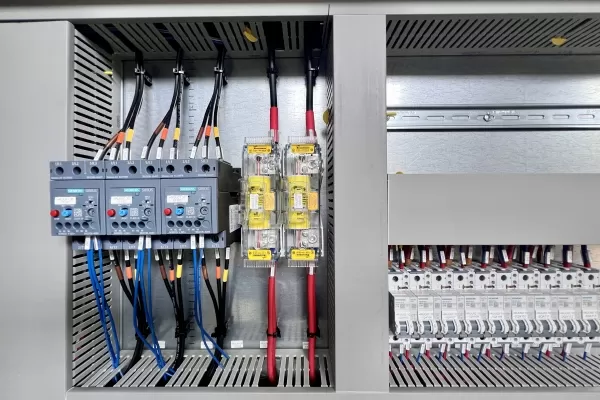
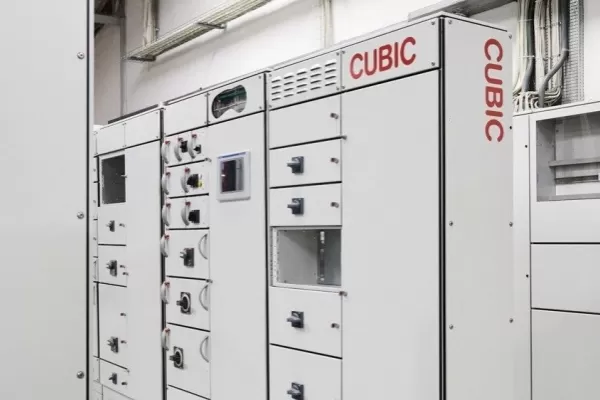
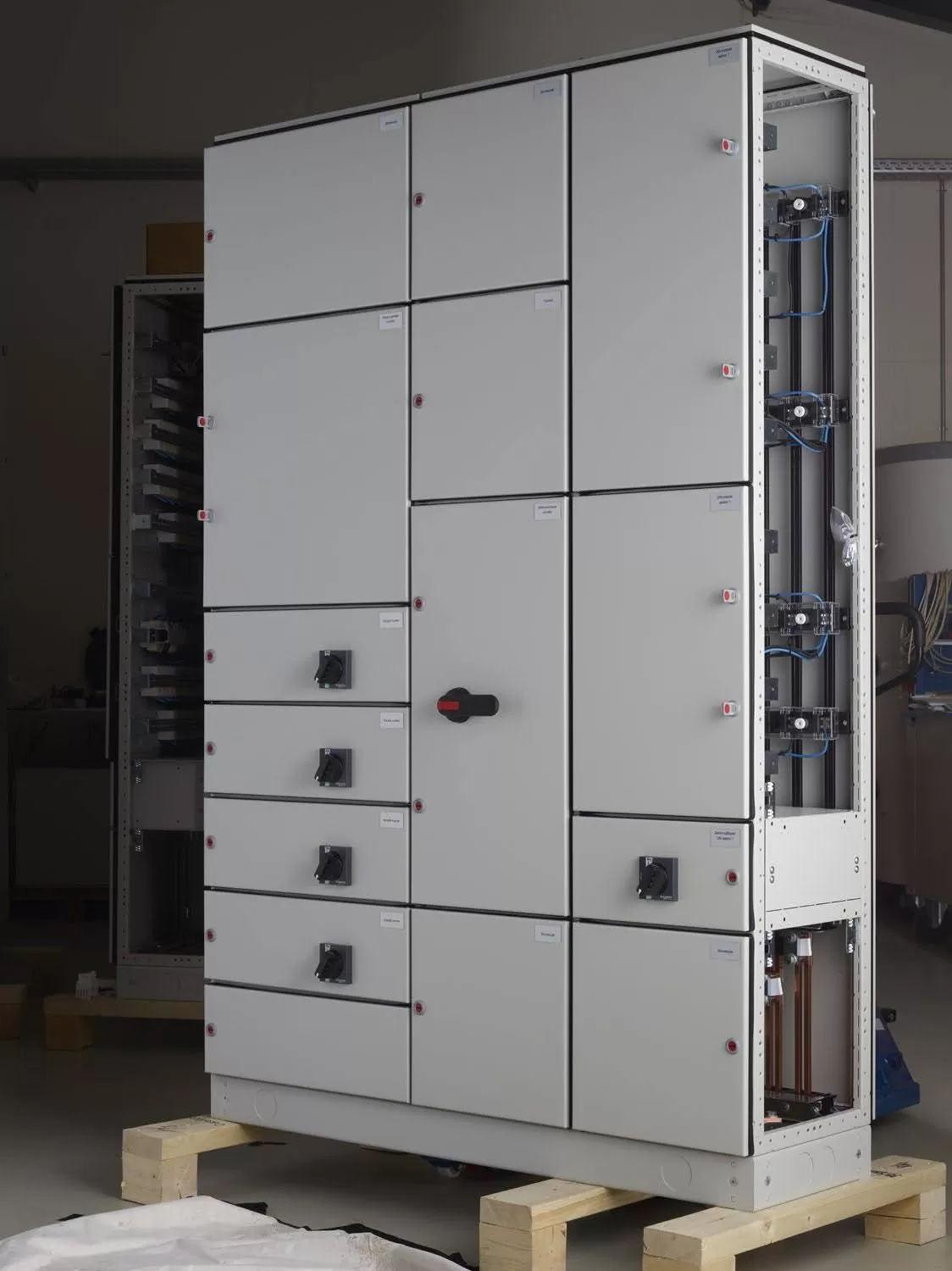
The CUBIC system is a modular platform for building electrical panels and control cabinets, designed to move beyond the logic of rigid, pre-assembled frames. Instead of a fixed structure, it offers a set of standardised elements, profiles, panels, busbars and accessories, which can be freely combined to shape the panel best suited to each application. This approach makes it possible to design tailor-made industrial electrical panels without giving up the repeatability and reliability typical of mass-produced components.
A modular technology for electrical panels and motor control centres
CUBIC's modularity covers the entire range of plant applications, from distribution panels to Motor Control Centres (MCCs), through to high-performance power centres. Its versatility in terms of width, height and depth allows the structure to be sized according to the actual installation site, while retaining the possibility of modifying or expanding it in the future. A panel built on this logic is therefore not a closed product, but a solution designed to grow together with the needs of the plant, a decisive aspect for anyone designing production lines meant to last over time.
A brand-agnostic system, compatible with every make
One of the distinctive features of the CUBIC modular system is its complete independence from component brands. The structure is in fact designed to house devices from any manufacturer, leaving the designer full freedom in choosing the equipment to install. This neutrality translates into a concrete advantage: the ability to integrate CUBIC with the best components available on the market and with the most advanced industrial automation systems, building an electrical panel truly calibrated to the client's specifications rather than to the constraints imposed by a single supplier.
The personalisation challenge: the limits of traditional panels
The real complexity in building an electrical panel lies not so much in the choice of individual components, but in the ability to adapt the entire structure to the specific conditions of each plant. This is where traditional systems, conceived for standard configurations, reveal their most evident limits, forcing the designer into a series of compromises that affect costs, timelines and performance.
Every plant has unique needs: space, power, budget and regulations
No industrial plant is identical to another. The space available in the switch room may be generous or extremely limited, the power to be managed varies significantly from one application to the next, the budget defines the boundaries of technical choices, and the reference regulations change depending on the sector and the target market. Sound electrical panel design must hold all these variables together at once, finding the point of balance between technical requirements, economic constraints and compliance. When the starting structure is rigid, this balance becomes difficult to achieve and often forces one or more aspects to be sacrificed in favour of the others.
The constraints of rigid systems
Panels built on fixed, predefined frames are designed to answer a standard configuration, not the real specificities of the project. This entails a series of consequences: poorly optimised internal spaces, difficulty in fitting components from different brands, longer engineering times and little scope for later expansion. Each new configuration, moreover, tends to start again from scratch, without being able to rely on elements validated in advance. The result is a panel that works, but that rarely represents the truly optimal solution for the plant, and that shows its limits the moment production needs evolve.
The advantages of the CUBIC system for custom electrical panels
The CUBIC modular system answers the limits of traditional panels by turning personalisation from an obstacle into a strength. Thanks to the combination of standardised elements and pre-tested components, it makes it possible to obtain custom electrical panels that respect constraints of space, power and budget without compromising on compliance and reliability.
Flexibility and scalability
The first advantage of the CUBIC system is its ability to adapt to any plant context. The modular structure can be sized precisely according to the available space and the required performance, and it remains expandable over time. A panel designed today for a given configuration can therefore be expanded or reorganised in the future, following the evolution of the plant without any need to rebuild it from scratch. This scalability represents a long-term investment, particularly valuable for companies planning a gradual growth of their production capacity.
Tailor-made design with dedicated software
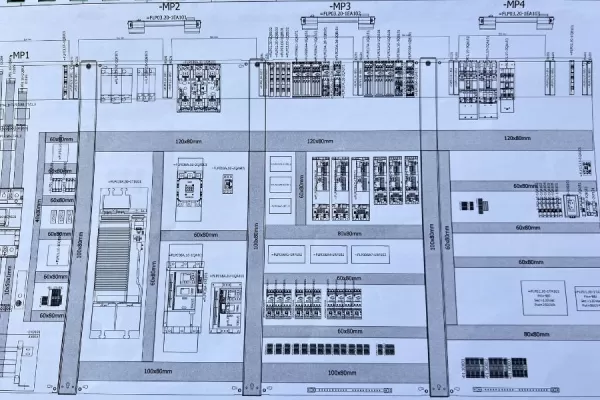
Underpinning CUBIC's flexibility is a design software that guides the entire process, from defining the footprint to automatically generating the bill of materials. The tool makes it possible to optimise the dimensions of the panel, calculate space requirements precisely and reduce engineering work, while at the same time limiting assembly and wiring errors. Design thus becomes faster and more accurate, with clear benefits both on delivery times and on the reliability of the finished product.
Reduced certification times
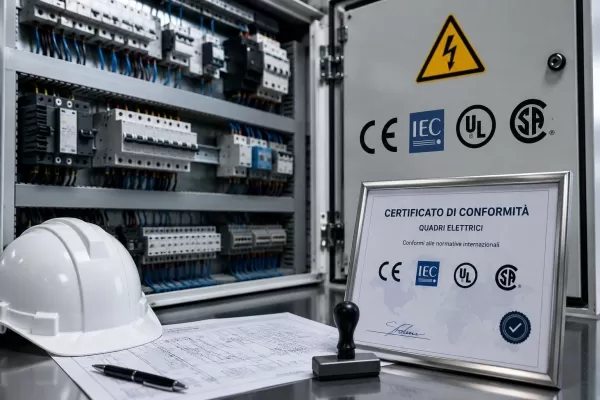
It is precisely on the certification front that the difference from traditional systems becomes most evident. CUBIC modules are tested and verified by the most recognised test laboratories at international level: starting from elements already validated and compliant with IEC standards, it is possible to produce certified electrical panels in far shorter times. The result is a shorter time-to-market and greater peace of mind in terms of regulatory compliance.
Flat-pack logistics and stock optimisation
A final advantage, often underestimated, concerns logistics. The components of the CUBIC system are supplied in flat-pack format, an approach that significantly reduces both the space they take up in the warehouse and the volume of stock to be managed. This translates into savings in space, better organisation of supplies and an overall rationalisation of costs, aspects that take on particular relevance for anyone producing industrial electrical panels in significant volumes.
CUBIC and integration with industrial automation systems
An electrical panel is never an isolated element, but the point of connection between the plant and its operational intelligence. The modular structure of CUBIC is born precisely with this vocation for integration: its compatibility with components of every brand makes it possible to house control and supervision devices without constraints, turning the panel into the natural physical support for the industrial automation systems that govern production. In this way the hardware and the software proceed hand in hand, within an architecture designed to communicate natively with PLCs, drives and advanced control logics.
The benefit for the plant is twofold: on one side greater order and rationality in the wiring, on the other the ability to evolve automation functions over time, drawing on the same scalability that characterises the modular structure. CUBIC thus becomes not only a certified enclosure, but a genuine enabler of automation, able to accompany the company towards increasingly integrated solutions oriented to Industry 5.0.
HS Automation, Rockwell Automation certified partner for the CUBIC modular system
CUBIC is a modular system developed by Rockwell Automation, and adopting it means not only choosing a technology, but relying on those who know how to integrate it correctly. HS Automation is a certified partner for the integration of the CUBIC system, and its team has trained directly at the official CUBIC headquarters in Denmark, acquiring the qualifications needed to manage the entire project independently. What sets our approach apart is the ability to develop in-house the very software that governs the plant: the modular structure supplied by Rockwell Automation and the control logic engineered by HS Automation are thereby integrated under one roof, with no intermediaries.
For the client, this translates into a single point of contact that follows the project from electrical panel design through to after-sales support, with the traceability and technical consistency that only an in-house supply chain can guarantee. It is the meeting point between a modular platform recognised worldwide and the expertise of those who design bespoke industrial automation systems every day.
Do you want to build a tailor-made electrical panel for your plant? Discover the CUBIC modular system and request a consultation with our experts.